

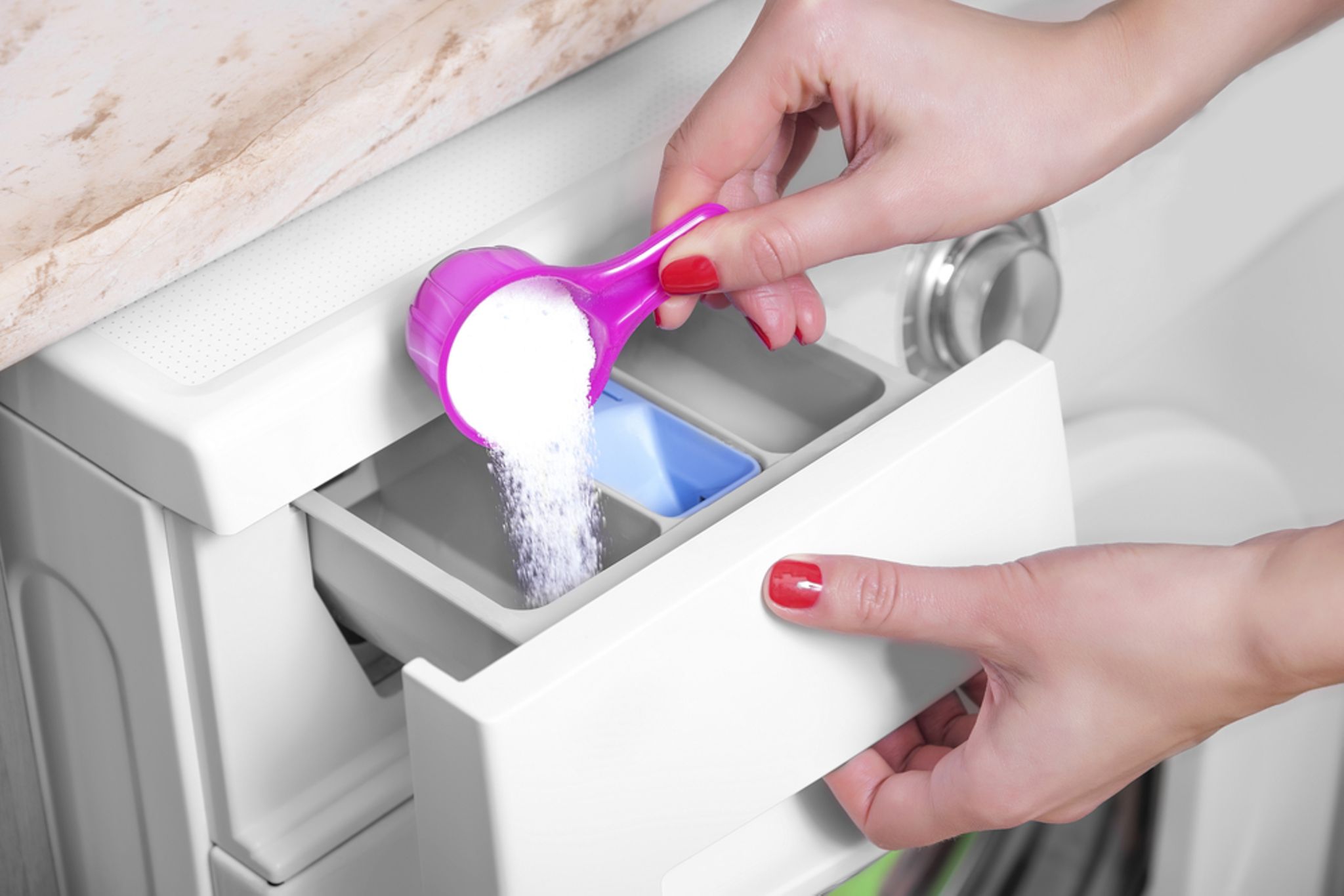
Washing machines are built to handle a variety of detergents, but not all laundry powders or liquids are suitable for every type of machine. Using the wrong detergent can not only harm your washing machine, but it can also affect your clothes and the efficiency of your washing cycles. In this article, we’ll explore which detergents can be harmful to your washing machine and why, and offer tips for choosing the right detergent for long-lasting performance.
The Problem with Low-Quality Detergents
While it may be tempting to purchase cheaper detergents, many low-quality powders and liquids can contain harsh chemicals, fillers, or abrasives that damage your washing machine over time. These products may not dissolve completely in the water, leading to residue buildup in the drum, pipes, and hoses of the machine.
Why This Is Harmful:
-
Clogged Dispensers and Hoses: Detergents with large amounts of fillers can leave behind residue that clogs the detergent dispenser and the internal plumbing of the machine. This can lead to poor water drainage and even blockages, potentially requiring costly repairs.
-
Damage to Internal Components: Harsh chemicals and abrasive ingredients can wear down the rubber seals and gaskets inside the machine. Over time, this can cause leaks or malfunctions, reducing the lifespan of your washing machine.
What to Look for:
-
Choose detergents that dissolve completely in water and avoid those with excessive fillers or chemical additives. Always read the ingredient label to ensure that the detergent is free of harsh abrasives.
Powders with Excessive Suds
Certain washing powders, especially non-HE (High-Efficiency) varieties, can produce excess suds during the wash cycle. High suds can foam up inside the washing machine, leading to several potential issues.
Why This Is Harmful:
-
Overuse of Suds: Excessive suds can prevent the washing machine from properly rinsing the detergent out of the clothes, leaving behind a soapy residue on the fabrics. This can cause skin irritation, especially for those with sensitive skin.
-
Strain on the Motor: The washing machine’s motor may struggle with excessive foam, leading to increased wear and tear. The foamy detergent can also clog the pump, causing the machine to drain water less effectively.
-
Improper Cleaning: High suds can interfere with the detergent’s ability to clean clothes effectively, leaving them smelling or feeling less fresh.
What to Look for:
-
If you have a High-Efficiency washing machine, always use HE detergents specifically formulated for such models. These detergents produce fewer suds, making them safer for your machine and more efficient for washing clothes.
Detergents with Bleach or Strong Chemicals
Some laundry detergents contain bleach or other strong chemicals aimed at removing stains or brightening whites. While these products may be effective at cleaning, they can be damaging to both your washing machine and your clothes.
Why This Is Harmful:
-
Corrosion of Internal Parts: The harsh chemicals in bleach-based detergents can corrode metal components and rubber seals inside the washing machine, causing leaks and other mechanical failures.
-
Fading and Wear on Clothes: Over time, bleach-based detergents can degrade fabrics, leading to fading and a shorter lifespan for your clothing.
-
Disruption of the Wash Cycle: Chemicals like bleach can build up in the washer drum, disrupting the balance of the washing cycle and making it harder for the machine to operate efficiently.
What to Look for:
-
Opt for gentle detergents without bleach or aggressive stain removers unless you’re doing a specific load that requires these chemicals (and use them sparingly). For regular washes, choose milder, non-chlorine-based detergents.
Powders with Artificial Fragrances
Some washing powders contain strong, artificial fragrances that can irritate sensitive skin. While these fragrances may smell pleasant, they often contain chemicals that are not only harmful to your skin but can also be damaging to your washing machine.
Why This Is Harmful:
-
Skin Sensitivity: Artificial fragrances are known to cause skin irritation, especially for those with allergies or sensitive skin. Rashes, itching, and redness can result from prolonged exposure to these chemicals in your clothing.
-
Buildup in the Machine: Strong fragrances can also leave behind residue inside the washing machine. This can attract dirt and grime, causing a buildup that impacts the washing machine’s performance and cleanliness.
What to Look for:
-
Opt for detergents with natural, mild scents or those that are fragrance-free to reduce the risk of skin irritation and to avoid leaving residue in your washing machine.
Detergents with Excessive Phosphates
Phosphates were once a common ingredient in laundry detergents due to their ability to soften water and boost cleaning power. However, they are now considered harmful both for the environment and your washing machine.
Why This Is Harmful:
-
Environmental Impact: Phosphates can pollute water systems and contribute to the growth of harmful algae in lakes and rivers. The environmental damage caused by phosphates is a growing concern.
-
Machine Damage: Over time, phosphate-based detergents can create scale buildup in your washing machine, reducing its efficiency and potentially causing damage to the internal parts.
What to Look for:
-
Choose phosphate-free detergents, which are now widely available. These detergents are not only better for the environment but also safer for your washing machine’s longevity.
Dishwasher Detergent in a Washing Machine
One of the most common mistakes is using dishwasher detergent in a washing machine. Dishwasher detergents are formulated for a completely different purpose and can cause significant problems in your laundry appliance.
Why This Is Harmful:
-
Excessive Suds: Dishwasher detergents create far more suds than laundry detergents, which can overwhelm the washing machine, clog the system, and prevent proper drainage.
-
Damage to Clothes: These detergents are much more abrasive than laundry detergents, and using them can result in damage to the fabric of your clothing.
What to Look for:
-
Always use detergent that is specifically designed for washing machines. If you’re unsure, check the product packaging to ensure it is meant for laundry use.
How to Choose the Right Detergent for Your Washing Machine
When selecting a detergent for your washing machine, consider the following tips:
-
Read the Labels: Always check the label for the type of washing machine (regular or High-Efficiency) and the ingredients used.
-
Use Less Detergent: More detergent does not necessarily mean cleaner clothes. Using the correct amount for your load size is important to prevent residue buildup.
-
Check for Certification: Look for detergents that are certified as safe for your washing machine type and are gentle on fabrics.
-
Avoid Overuse of Additives: Avoid detergents that contain bleach, phosphates, or artificial fragrances unless necessary for specific loads.
The type of detergent you use in your washing machine plays a crucial role in maintaining both the cleanliness of your clothes and the longevity of your appliance. While some powders and liquids can cause serious damage to your washing machine, others are specifically designed to optimize performance and protect internal components. By carefully choosing the right detergent and avoiding harmful additives, you can keep your washing machine running smoothly and your clothes in excellent condition for years to come.